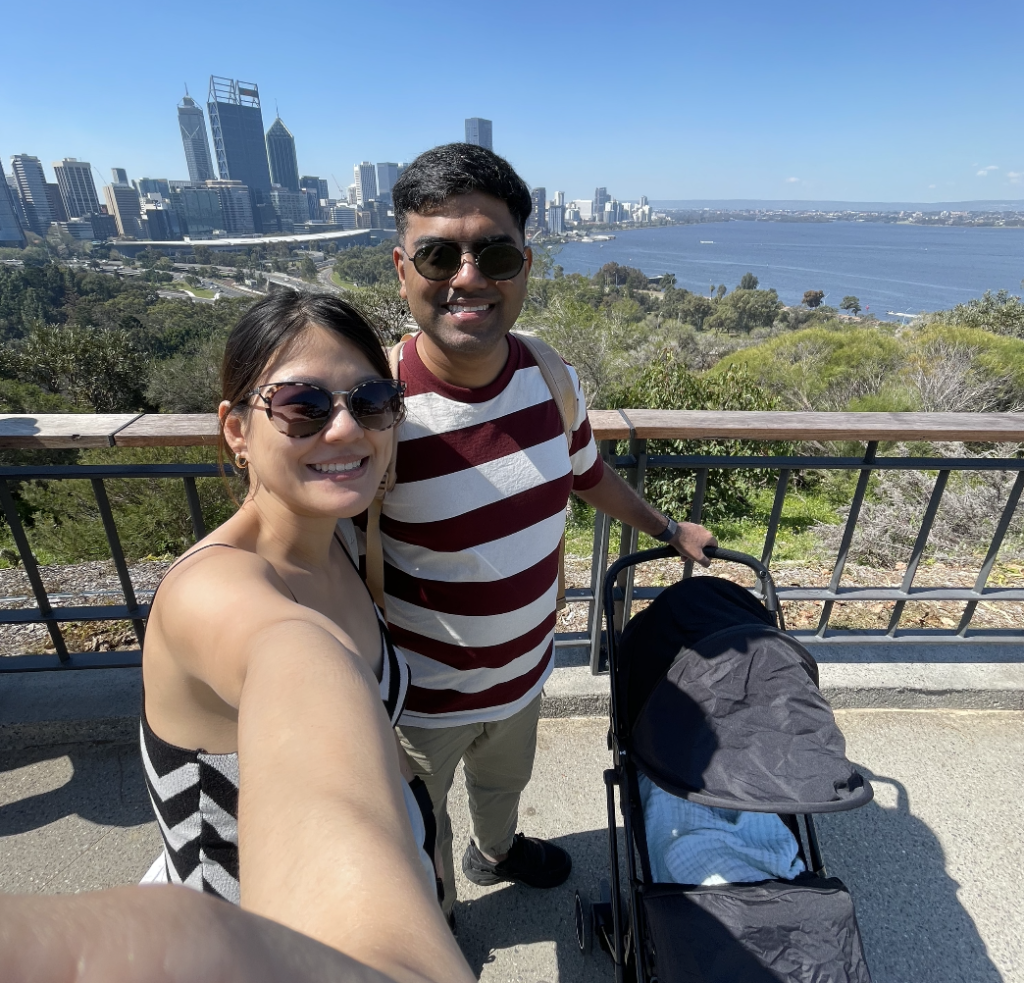
After three months at home with a newborn, my husband and I decided we desperately needed a break. So, we booked a trip to Australia.
Spoiler: travelling with a baby was not exactly the relaxing holiday we had imagined.
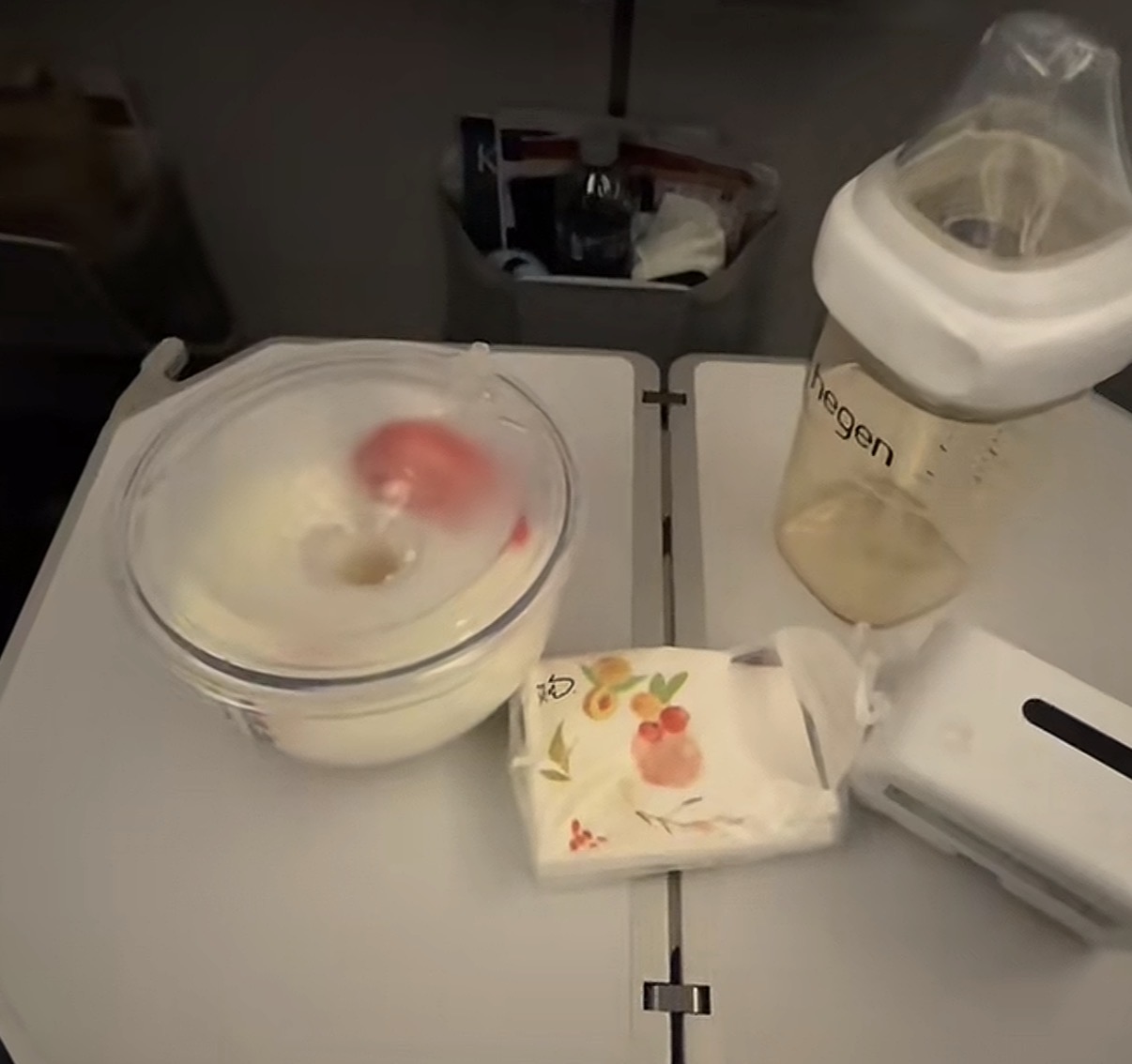
That trip was how I ended up pumping breast milk in the middle seat of a plane, with a complete stranger sitting right beside me.
We had booked seats in the middle aisle without thinking too much about how I would breastfeed or pump during the flight. I regretted that decision almost immediately.
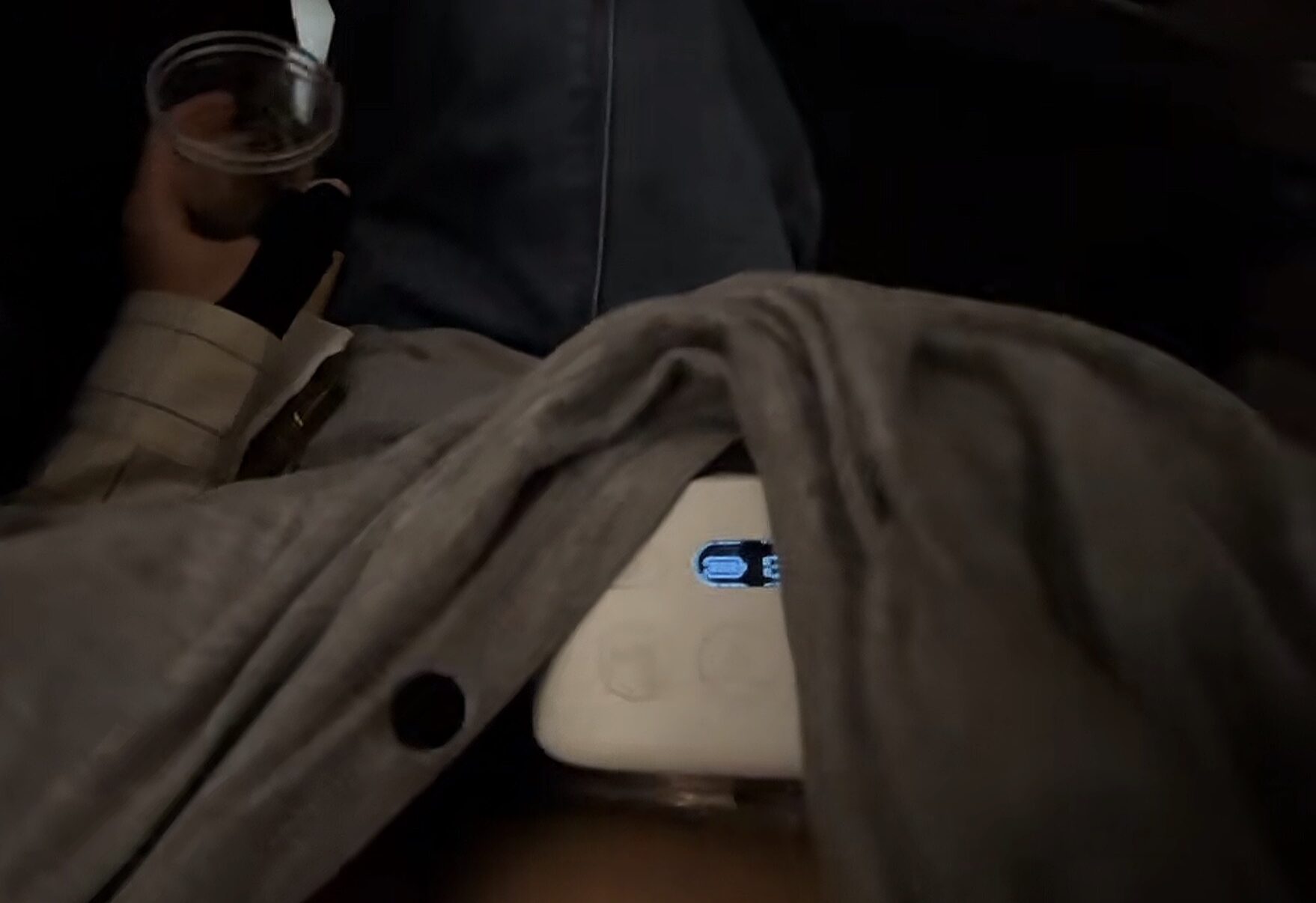
I had to drape a muslin cloth over myself, fidget with my breast pump and somehow get everything into position while the man next to me watched his movie and, bless him, politely pretended not to notice a thing.
But honestly? Everything turned out completely fine.
Travelling while breastfeeding or pumping can feel incredibly stressful before your first trip. You may be wondering where you will pump, how to store breast milk while travelling, whether airport security will allow your milk through, or whether everyone around you will be staring.
In reality, it is usually far more manageable than it feels.
Since that first trip, I have travelled on several flights with my baby and learned what genuinely matters, what is worth preparing for and what I worried about unnecessarily.
This guide covers everything I wish someone had told me before travelling while breastfeeding and pumping for the first time.
What to Pack for Pumping While Travelling
The single biggest thing that made pumping on a plane more manageable was using the Imani i2 Plus wearable breast pump. I honestly cannot recommend it enough for travel.
Because it is wearable, there are no cords, no bulky motor to balance on the tray table and no complicated setup. It is also relatively quiet. I use a Spectra pump at home, and the Imani is noticeably softer in comparison.
On the plane, I could simply slip it into place under a large muslin cloth, sit back and let it do its job without drawing too much attention.
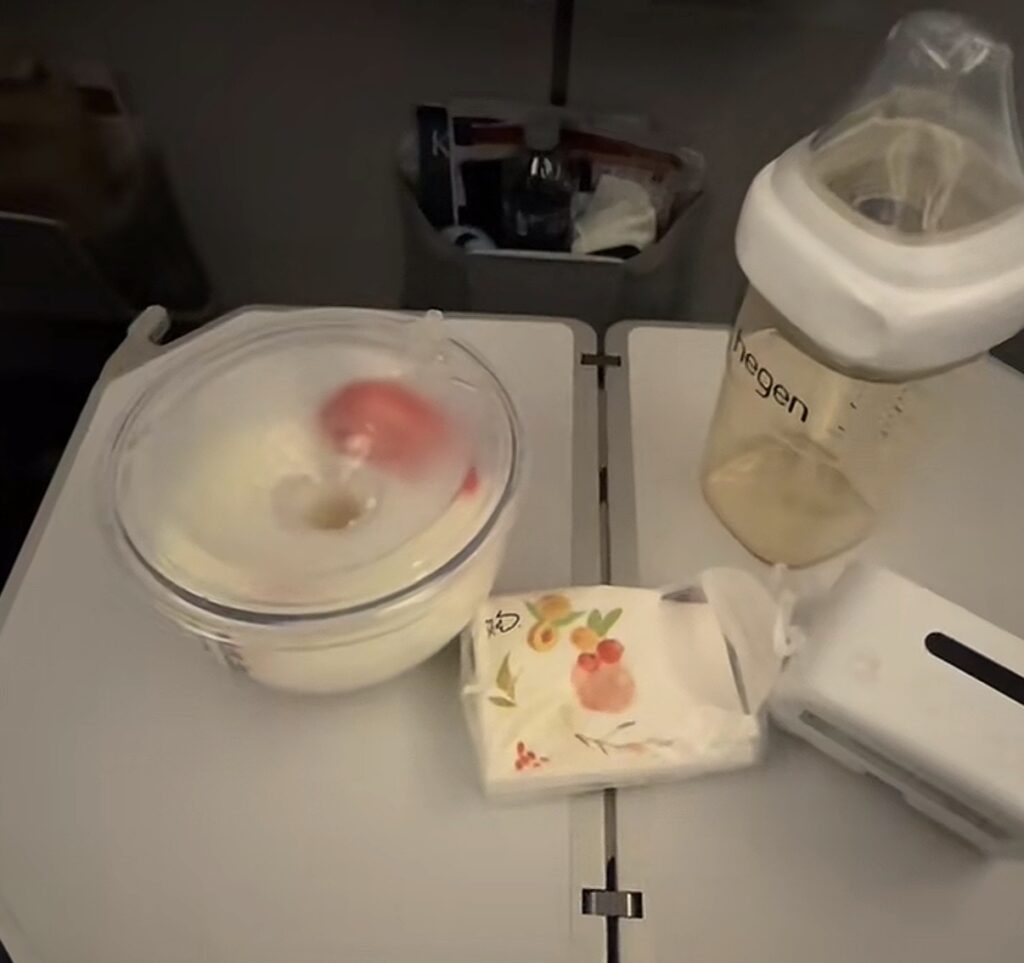
The other travel essential I highly recommend is the Ceres Chill breast milk chiller. It is a double-walled stainless steel container designed for storing and transporting expressed breast milk while keeping it cold.
I use the Legacy OG Chiller, and it has been extremely convenient for flights and long travel days. In my experience, it has kept my milk cold throughout journeys lasting up to 20 hours, and it can hold roughly two of my usual pumping sessions (each pump roughly 200-280ml).
Always follow the latest breast milk storage guidance and the manufacturer’s instructions, especially when travelling for long periods.
My Breast Feeding Carry-On Checklist
Beyond the pump and milk chiller, these are the items that have earned a permanent place in my carry-on bag.
A large muslin cloth
I use this as a simple privacy cover while setting up and pumping in my seat. It is lightweight, breathable and easy to fold away once I am done.
These have saved me countless times while travelling. I use them to clean my pump parts when I need to pump again before I have access to proper washing facilities. I always travel with a full pack in my carry-on.
Hand wipes and hand sanitiser
I clean my hands before handling my pump, breast milk or pump parts.
A clean cloth
After using or wiping down the pump parts, I place them on a clean cloth rather than directly on the tray table. It gives me a cleaner surface to work with and helps keep everything organised.
Assemble Your Breast Pump Before Leaving Home
One of my best tips for pumping on a plane is to assemble your breast pump before you leave home.
Click all the clean, dry parts together and pack the pump ready to use. That way, when you are squeezed into your seat, you do not need to search for small parts or assemble everything on the tray table.
All you have to do is slip the pump into place, switch it on and start pumping.
Travelling With Breast Milk Through Airport Security
Honestly, getting through airport security with breast milk was the easiest.
When we flew out of Singapore, we carried expressed breast milk through security in my Ceres Chill. I simply told the security officer that the container held breast milk, and that was it. The officers were friendly and helpful, and they did not ask me to open the chiller or test the milk.
I had read stories online about breast milk being subjected to additional screening, so I was prepared for more questions. Thankfully, our experience at Changi Airport was straightforward and stress-free.
It was similarly uneventful when we travelled through Australia. The security officers did not ask to inspect the breast milk inside my Ceres Chill. We declared what it was and were allowed to continue through security without any problems.
That said, airport security procedures can vary between countries, airports and even individual checkpoints. Additional screening is always possible, so it helps to arrive prepared rather than assuming that every airport will handle breast milk in the same way.
How I Prepare Breast Milk for Airport Security
Keep your breast milk easy to reach
Do not bury your milk chiller or storage bags at the bottom of your carry-on. Keep everything together in an easily accessible section so you can remove it quickly if a security officer asks to inspect it.
Tell the officer before your bag is screened
As I approach security, I let the officer know that I am carrying expressed breast milk. It is much easier to explain it upfront than to wait for them to discover a large liquid container during screening.
Allow a little extra time
Our experience was quick, but additional checks can happen. I would leave some buffer time so that an unexpected inspection does not leave you rushing to the gate.
Check the rules for every airport on your itinerary
Do not check only your departure airport. Look up the rules for your destination and any airport where you will be transiting, as the requirements may be different.
It is also worth checking whether the rules change when your baby is not travelling with you. Some airports make specific exemptions only when you are accompanied by your infant, while others allow parents to carry breast milk even when travelling alone.
Where and How to Pump on a Plane
Choosing the right seat can make pumping on a plane much more comfortable.
After my first experience pumping in a middle seat beside a complete stranger, I now try to book a window seat whenever possible.
A window seat gives you slightly more privacy, and you can lean into the corner while positioning your pump under a muslin cloth or nursing cover. You also do not need to worry about someone walking past you while you are getting set up.
For me, it is the most comfortable seat for both breastfeeding and pumping during a flight.
That said, do not panic if you cannot get a window seat.
I have both latched and pumped with a stranger sitting right beside me, and while it felt awkward at the time, it was completely manageable. Do I remember what that stranger looked like now? Not at all. I am fairly sure he does not remember me either.
Sometimes the anticipation is much worse than the actual experience.
Remember That Most People Are Not Paying Attention
Pumping on a plane can make you feel as though everyone is watching, but most passengers are focused on their own movie, meal or attempt to sleep.
The stranger beside me politely ignored what I was doing, everything went smoothly, and the moment that had felt so stressful became nothing more than a funny travel story.
Book the window seat if it helps you feel more comfortable but do not let the lack of one stop you from travelling or pumping when you need to!
I hope this guide is helpful to you. Let me know if you have any questions or subscribe if you would like see more of such guides!